Fitness lovers who also love a fresh set of acrylics often ask the same question before booking: will a workout ruin the nails? It’s a fair worry. Between gripping barbells, gripping yoga mats, and washing hands a dozen times a day, an active lifestyle puts real pressure on any manicure. Add in the occasional swim, a sweaty spin class, or an early morning run, and it’s easy to see why so many clients hesitate before committing to a longer or more elaborate set.
The good news is that acrylic nails and exercise aren’t mutually exclusive, as long as a person knows what to expect and works with a bellflower nail salon that understands both beauty and daily wear and tear. The right combination of shape, length, and aftercare can mean the difference between a set that lasts through an entire training cycle and one that needs constant repair.
At Luminous Nail & Beauty Bar, clients regularly come in straight from spin class or head to the gym right after their appointment. This guide breaks down exactly how acrylics hold up during different types of movement, what to do to protect them, and when it’s time to book a fill.
Can You Really Work Out With Acrylic Nails?
Yes. Acrylic nails are more durable than natural nails in most cases, since the overlay adds a layer of protective strength. That said, durability depends heavily on shape, length, and how the set was applied. A client who visits a skilled nail salon in Bellflower for a properly balanced application will notice far less lifting, cracking, or breakage than someone with a poorly filed or overly long set.
The biggest risk isn’t the exercise itself. It’s repeated impact, prolonged water exposure, or excessive pressure on the tip of the nail. Understanding those triggers makes it much easier to protect a set through even the toughest training week.
It also helps to think about frequency. Someone who works out once or twice a week will see far less wear than a client training five or six days a week. That doesn’t mean acrylics are off the table for serious athletes, but it does mean the conversation with a nail technician should include how often, how hard, and what type of training is on the schedule so the set can be tailored accordingly.
How Acrylics Hold Up During Different Types of Exercise
Not every workout puts the same stress on a manicure. Here’s what tends to happen with a few common routines.
Weightlifting and Grip-Heavy Workouts
Barbells, dumbbells, and resistance bands press directly against the nail bed and tip. Over time, this pressure can weaken the bond between the acrylic and the natural nail, especially near the free edge. Shorter lengths handle this kind of friction far better than long, dramatic shapes.
Cardio, Running, and Swimming
Sweat and chlorinated water aren’t damaging to acrylic on their own, but frequent hand rinsing and drying can dehydrate the surrounding skin and cuticle. This doesn’t usually chip the polish, but it can make nails feel brittle at the edges if moisture isn’t replenished regularly.
Yoga and Pilates
Weight-bearing poses like plank or downward dog put direct pressure on the fingertips. Clients who practice yoga often find that a medium coffin or almond shape offers a nice balance between style and stability during these poses.
Outdoor Sports and Team Activities
Basketball, volleyball, and other sports involving a ball can put sudden, unpredictable pressure on the nail tip. A hard catch or a fall can chip or lift even a well-applied set. Clients who play these sports regularly often do best with shorter lengths and a slightly thicker application at the free edge for added resistance to impact.
Tips to Protect Acrylic Nails During Workouts
A few small habits go a long way toward keeping a set looking fresh between fills.
- Choose a shorter to medium length if workouts involve heavy lifting or repeated hand impact.
- Wear thin workout gloves during weightlifting sessions to reduce direct pressure on the tips.
- Apply cuticle oil daily, especially after swimming or frequent hand washing.
- Avoid using nails as tools to open equipment lockers, adjust machines, or peel off tape.
- Rinse and dry hands gently rather than scrubbing at the nail edges.
These habits won’t eliminate wear entirely, but they noticeably extend the life of a set between appointments. It’s also worth building a quick post-workout habit, such as rinsing hands and applying a small amount of oil right after the shower, so nail care becomes part of the routine rather than an afterthought.
Choosing the Right Nail Shape and Length for an Active Lifestyle
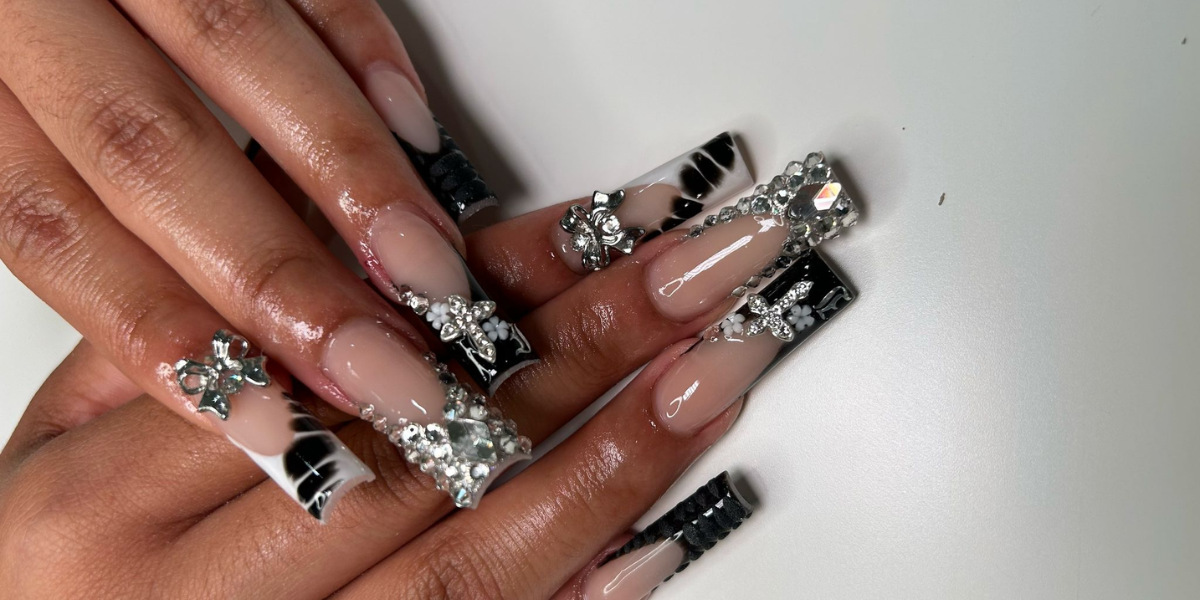
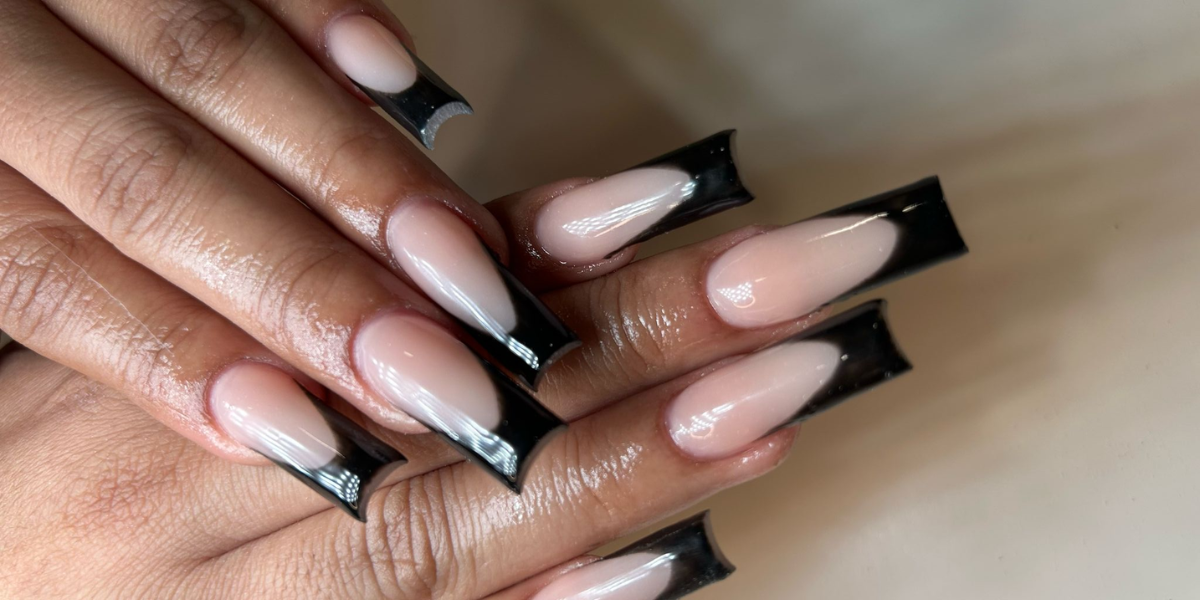
Shape matters just as much as length when it comes to durability. Rounded or squoval shapes distribute pressure more evenly across the nail bed, which reduces the chance of snapping during activities like rock climbing or CrossFit. Long, pointed stiletto shapes look striking, but they’re more prone to catching or lifting under repeated stress. A technician at a well-reviewed bellflower nail salon can help match a shape to a client’s actual activity level rather than just current trends, which is one of the easiest ways to avoid mid-week breakage. Anyone weighing their options can browse the full menu of nail styles on the acrylic and gel-x services page before their next visit.
When to Book a Fill or Repair After Workouts
Most acrylic sets need a fill every two to three weeks, but an active routine can shorten that window slightly. A few signs it’s time to come in sooner include visible lifting near the cuticle, a crack that hasn’t fully broken through, or noticeable growth that’s changing the nail’s balance. Waiting too long after damage appears can trap moisture underneath the acrylic, which isn’t ideal for nail health.
It’s also worth paying attention to how a set feels, not just how it looks. A nail that suddenly feels loose, tender, or slightly off-balance when tapped is often a sign that the bond has weakened, even if there’s no visible crack yet. Catching that early usually means a quick, simple repair instead of a full redo. For more on how packages and pricing work between visits, this breakdown of manicure and pedicure packages is a helpful place to start.
Why Bellflower Residents Trust Luminous for Long-Lasting Acrylics
Clients searching for a bellflower nail salon that understands an active schedule consistently point to the same things: sterilized tools, technicians who ask the right questions before shaping a set, and a relaxing space to unwind between reps. Luminous Nail & Beauty Bar was built around exactly that balance, offering acrylics, Gel-X, and dipping powder designed to move with a client’s routine instead of against it. Clients planning ahead for an event can also see how group pricing works in this guide to nail service costs at a Bellflower nail salon.
Frequently Asked Questions
1. Can you exercise normally with acrylic nails?
Yes, most people wear acrylic nails while exercising without issue. Choosing a shorter length, rounded shape, and scheduling regular fills helps acrylics stay durable through workouts.
2. How often do acrylic nails need a fill for active people?
Acrylic nails typically last two to three weeks before a fill is needed. Active lifestyles and hand washing can shorten that timeline, so earlier check-ins help.
3. What nail shape works best for the gym?
Shorter almond or squoval shapes hold up best during workouts. Long, sharp stiletto shapes are more prone to snapping during weightlifting, climbing, or repeated hand impact.
4. Should you wear gloves while lifting weights with acrylics?
Wearing gloves during heavy lifting reduces pressure on acrylic tips. Rinsing hands after swimming and applying cuticle oil nightly keeps nails strong, flexible, and well hydrated.
5. What should you do if an acrylic nail cracks after a workout?
Book a repair as soon as a lift or crack appears rather than waiting. Damage left untreated can trap moisture underneath the acrylic, raising infection risk.