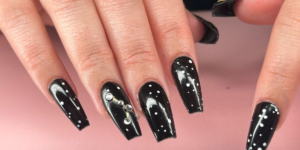
Gel or acrylic? It’s one of the most common questions clients ask before sitting down for a fresh set of nails. Both options show up on nearly every service menu, both promise long-lasting color, and both can leave a first-timer staring at the price list feeling unsure. Anyone booking an appointment at a nail salon in Bellflower eventually has to make this same call. The truth is that Gel vs. Acrylic Nails isn’t really a question of which one is “better.” It’s a question of which one fits a person’s lifestyle, nail health, and maintenance routine.
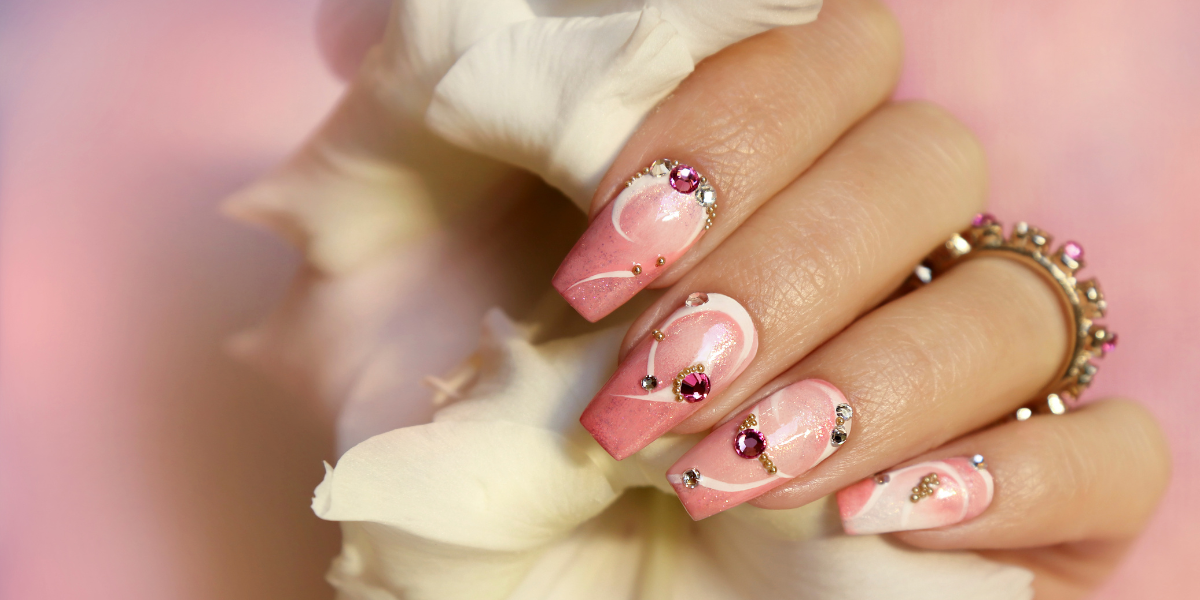
Scroll through any nail salon’s Instagram and it’s easy to see why the debate never really settles. Glossy gel manicures look natural and effortless, while sculpted acrylic sets show off bold shapes and dramatic length. The real difference shows up not in the photo, but in how each option wears and holds up between appointments.
At Luminous Nail & Beauty Bar, technicians walk clients through this decision every single day. Understanding what each option actually is makes the choice a lot easier.
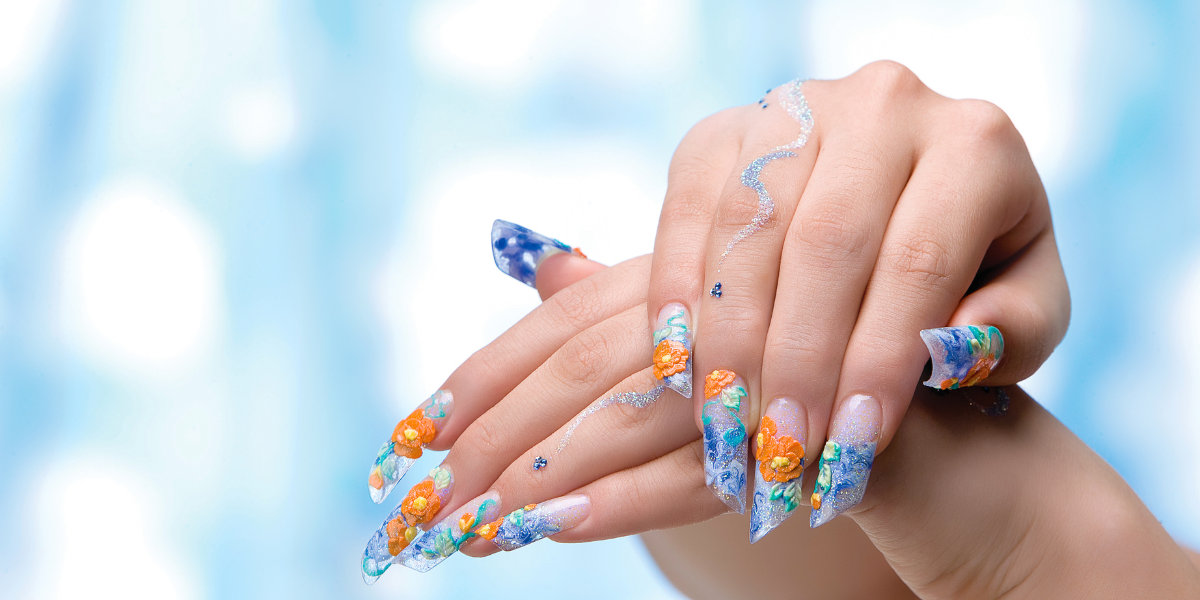
What Are Gel Nails?
Gel nails are built from a soft, gel-based polymer that hardens under UV or LED light. Because the product cures in layers, technicians can build thin, natural-looking extensions or simply apply gel polish over natural nails for extra shine and durability. Gel tends to feel lightweight and flexible, which is part of why so many people request it for a softer, more natural finish.
The trade-off is that gel is less rigid than acrylic. It holds up well for everyday wear but isn’t always the top pick for people who work heavily with their hands or want dramatic length.
Gel also tends to be gentler on the natural nail during removal when it’s soaked off correctly, which appeals to clients who get manicures often.
What Are Acrylic Nails?
Acrylic nails are created by combining a liquid monomer with a powder polymer, which air-dries into a hard, durable shell. This method has been a salon staple for decades because it’s incredibly strong and can be sculpted into almost any length or shape, from short and rounded to long and dramatic.
Because acrylic hardens without a UV lamp, the application process is often faster once a technician gets into a rhythm. The finished set tends to be more rigid than gel, which is exactly why it’s the go-to choice for anyone who wants serious length or extra durability.
Acrylic also gives technicians more room to correct shape as they sculpt, which is one reason it remains a favorite for elaborate designs and a fully custom silhouette.
Gel vs. Acrylic Nails: Key Differences
Breaking the comparison down by category makes the decision much clearer:
- Durability: Acrylic is generally more resistant to cracking and lifting under heavy daily use.
- Look and feel: Gel has a glossier, more natural appearance and feels lighter on the nail.
- Application time: Acrylic can often be applied faster since it doesn’t require curing under a lamp.
- Removal: Both require professional soak-off removal to protect the natural nail underneath.
- Odor: Acrylic has a stronger smell during application due to the monomer liquid, while gel is virtually odorless.
- Cost: Pricing varies by salon, but gel and acrylic full sets often land in a similar range, with fills typically costing less than a brand-new set.
- Flexibility for repairs: Acrylic is generally easier to patch on the spot if a nail cracks, since the powder and liquid can be reapplied quickly.
Neither option is automatically the “correct” one. A busy parent who uses their hands constantly might prefer acrylic’s strength, while someone looking for a natural-looking touch-up might lean toward gel.
For a closer look at how acrylics hold up under real daily wear, this guide on acrylic nails and workout routines breaks down what to expect between fills.
Which Lasts Longer?
This is the question most people really want answered. On average, both gel and acrylic nails last about two to three weeks before a fill is needed, but the honest answer depends on the person wearing them.
Acrylic tends to hold shape and length slightly longer under rough daily wear, like typing, gardening, or frequent hand-washing. Gel, on the other hand, resists yellowing and chipping better over shorter stretches and often looks fresher in the first two weeks. Nail growth, at-home care, and how the set is removed all affect how long either option actually lasts.
Choosing a well-reviewed nail salon in Bellflower with experienced technicians matters just as much as the product itself, since improper application or removal is often what causes premature lifting or breakage.
How to Choose Between Gel and Acrylic Nails
A few honest questions can help narrow down the right pick:
- How active are your hands day to day? Frequent typing, cleaning, or manual work often favors acrylic’s strength.
- Do you prefer a natural or dramatic look? Gel tends to look softer; acrylic handles length and bold shapes well.
- How sensitive is your nail bed? Some clients find gel gentler during the curing process.
- What’s your maintenance routine like? Both need regular fills, but acrylic can sometimes stretch a few extra days.
For guests who love switching things up, exploring the full nail and beauty services menu is a great way to see how gel, acrylic, and dipping powder compare side by side before booking.
Why Bellflower Clients Trust Luminous Nail & Beauty Bar
Luminous Nail & Beauty Bar has built a reputation in Bellflower for pairing quality products with technicians who genuinely listen. Whether a guest walks in wanting the strength of acrylic for an upcoming trip or the natural shine of gel for everyday wear, the team takes time to explain the process, the maintenance, and the realistic lifespan of each option.
Pricing can vary depending on length, design, and the type of product used, and it’s worth reading about what affects dip powder and long tip pricing to get a better sense of how these factors play into any nail service, not just acrylics.
Caring for Gel and Acrylic Nails Between Appointments
Good aftercare stretches the life of either set. A few simple habits help:
- Moisturize cuticles daily to prevent dryness that leads to lifting.
- Wear gloves for cleaning and dishes to limit water and chemical exposure.
- Avoid using nails as tools for opening cans or peeling labels.
- Book fills on schedule so regrowth doesn’t create gaps that trap moisture.
- Apply cuticle oil at night to keep the surrounding skin flexible and healthy.
Small habits like these add up, and clients who stick to a simple routine often notice their gel or acrylic sets hold their shine and shape well past the two-week mark.
Final Thoughts
There’s no universal winner in the gel versus acrylic debate. Gel suits people who want a lighter, more natural set with less odor during application, while acrylic appeals to anyone chasing serious strength or dramatic length. The best way to figure out which one fits a personal routine is to talk it through with an experienced technician who can assess nail health and lifestyle firsthand.
Ready to find out which option feels right? Book a visit and let the team help decide what works best, one appointment at a time.