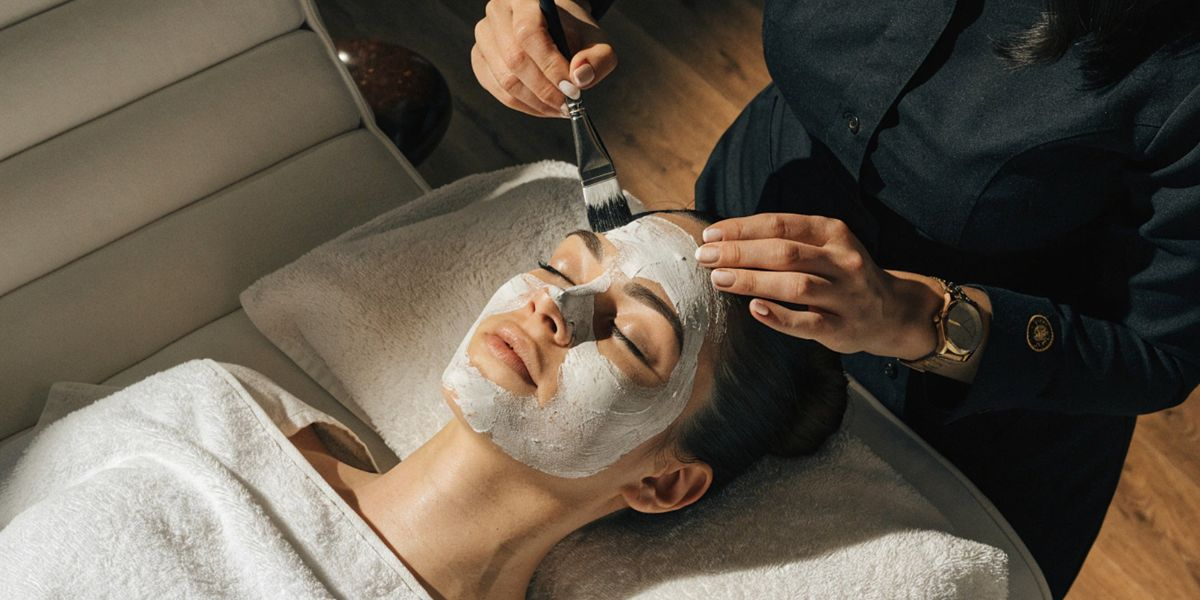
A European facial is a classic salon treatment built around deep cleansing: the skin is cleansed, exfoliated, massaged and treated with a mask and moisturizer, with extractions added if the skin needs them. There is no single industry standard for the name, so the exact routine varies from salon to salon. Most people book one for clearer-looking, softer, better hydrated skin and for the relaxation that comes with it.
What a European facial includes
Most sessions are made of the same building blocks, even when the order or products differ:
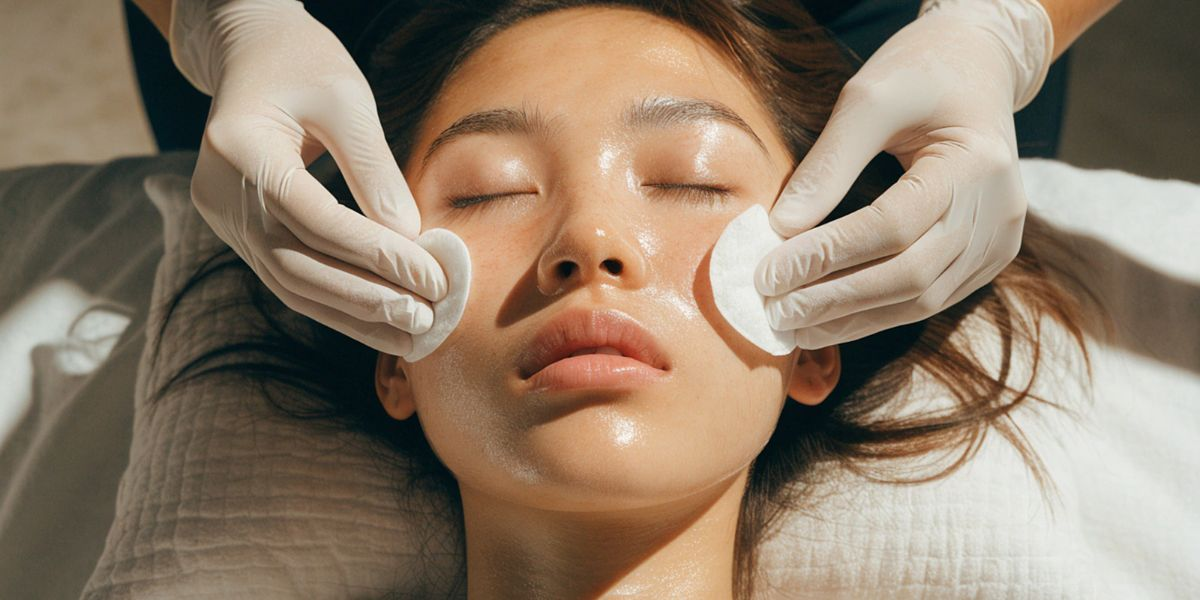
- Cleansing and skin analysis: the technician removes makeup and looks at your skin type and concerns.
- Exfoliation: a gentle scrub or enzyme or acid-based product lifts dead surface cells.
- Steam or warm towels: some salons use them to soften the skin before extractions.
- Extractions: blackheads and clogged pores are cleared by hand when your skin allows it.
- Massage: firm, slow movements over the face, neck and shoulders.
- Mask and finishing products: a mask chosen for your skin, then moisturizer and often sunscreen.
Because the focus is on deep cleansing, you may also see it listed as a deep cleansing facial. Ask the salon exactly what is in theirs.
Who benefits most from a European facial
It suits people who want a thorough clean and a smoother-looking surface. Oily and combination skin with clogged pores often responds well, and so does dull, congested skin that has gone a while without professional care. Dry skin can benefit too when the technician chooses a hydrating mask and a lighter exfoliant. If your concern is mainly oiliness, see our page on a facial for oily skin for what to ask for. Very reactive or sensitive skin needs a gentler approach, which is covered below.
What results to expect
Expect a short-term lift rather than a permanent change. Right after a session, skin usually looks cleaner, feels softer and may look more even, though mild redness around areas of extraction can last a few hours. The effects on clogged pores and surface texture build gently when facials are repeated, but a facial does not erase deep wrinkles, scars or hyperpigmentation, and no treatment can promise a particular outcome. For a detailed look at the treatment itself, read our page on European facial benefits.
How often to book a European facial
Many skin care professionals suggest every four to six weeks, roughly in line with the skin’s renewal cycle. Some people book more often during a breakout-prone season, and others come only before special occasions. Your technician can set a schedule based on your skin and how it reacts after the first visit.
Preparing for your appointment and caring for your skin afterward
Before: arrive with a clean face or little makeup, and tell the technician about any products you use, especially retinoids and exfoliating acids, and any allergies. Avoid strong exfoliants, scrubs and sun exposure for a few days beforehand.
After: keep your hands off the skin and avoid hot steam, saunas and intense sun for the rest of the day. Use a gentle cleanser and a fragrance-free moisturizer, and wear sunscreen daily, since freshly exfoliated skin burns more easily. If you are curious whether the massage portion could affect fine lines, we answer whether facial massage causes wrinkles.
Who should wait or check with a doctor first
Postpone a facial, or speak to your doctor first, if you have a sunburn, an open wound or cold sore, an active skin infection, a flare of eczema, rosacea or dermatitis, or if you are taking isotretinoin or using prescription retinoids, since these can make skin much more fragile. Tell the technician about any of these before the appointment. This is general information, not medical advice.
Why a professional facial differs from at-home skincare
A professional treatment can do things a home routine cannot, mainly manual extractions, trained assessment of your skin and longer, targeted massage. Home products are still what maintain results between visits, because daily cleansing, moisturizing and sunscreen do the day-to-day work. Our comparison of facials and at-home skincare looks at how the two work together.
Conclusion
A European facial is a thorough, cleansing-focused treatment that suits many skin types when the technician adapts it to your skin. Before you book, ask what the salon’s version includes, so you know whether it covers extractions, massage and a mask. Tell the technician about your skin, your current products and any sensitivities, since that shapes the products and pressure they choose. If you are in Bellflower, CA, Luminous Nail & Beauty Bar can talk you through the right facial for your skin and schedule it around your plans.
Expect a gentle, visible lift in clarity and softness rather than a dramatic change, and keep results going with daily gentle cleansing, moisturizer and sunscreen. Explore our services to see what is on offer, or book a facial when you are ready.