In-Grown Nail Removal: DIY vs. Professional Services

In-Grown Nail Removal

Struggling with an ingrown nail can be both uncomfortable and bothersome. It happens when a nail edge grows into the surrounding skin, leading to irritation, redness, and potential infection. While some people opt for at-home remedies, others seek professional treatment. In this blog, we’ll explore DIY ingrown nail removal vs. professional services to help you choose the best approach.

What Causes In-Grown Nails?

Several factors can contribute to ingrown nails, including:

  • Incorrect Nail Trimming: Cutting nails too short or rounding the edges may cause them to grow into the skin instead of outward.  
  • Tight-Fitting Shoes: Footwear that puts excessive pressure on the toes can push the nails into the surrounding skin.
  • Nail Injuries: Stubbing your toe or repeated pressure from activities like running can lead to an ingrown nail.
  • Genetics: Some individuals naturally have curved nails, making them more prone to in-growth.
  • Lack of Proper Nail Care: Keeping nails damp or failing to clean them thoroughly can contribute to nail-related issues.

DIY In-Grown Nail Removal

If the ingrown nail is mild and has not become infected, at-home treatment may be an option.

Steps for DIY In-Grown Nail Removal

  1. Soak the Affected Area: Place the hand or foot in warm, soapy water for 15-20 minutes to soften the nail and surrounding skin.
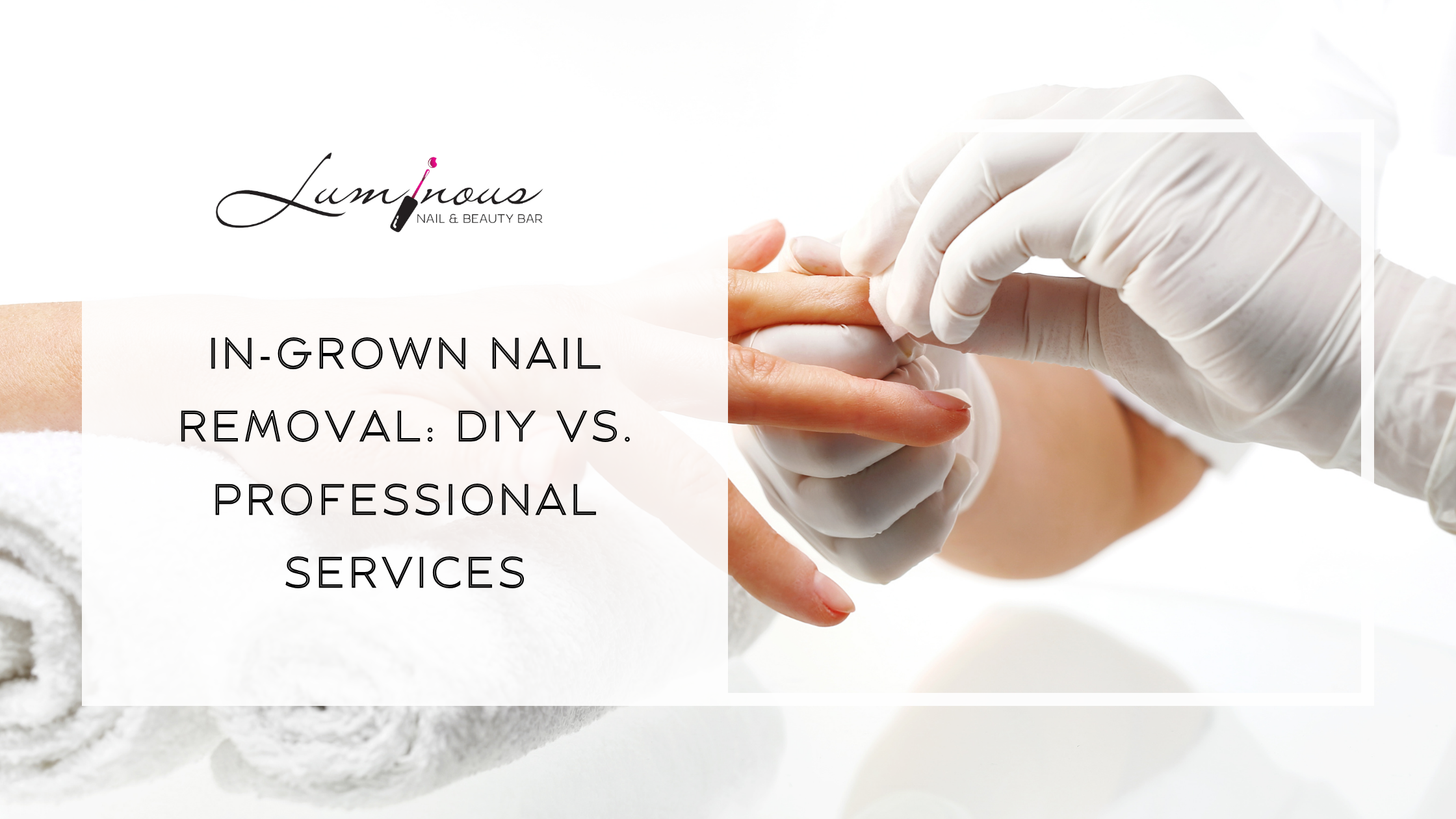
  2. Gently Lift the Nail Edge: Using a clean piece of dental floss or a cotton ball, carefully lift the nail away from the skin.
  3. Apply an Antiseptic: Use an antibacterial solution to cleanse the area and prevent infection.
  4. Keep It Protected: Apply an antibiotic ointment and cover the area with a bandage to reduce irritation.
  5. Choose Comfortable Footwear: Avoid tight shoes that put unnecessary pressure on the nail.
  6. Repeat as Needed: Follow these steps daily until the nail has grown out properly.

Pros of DIY In-Grown Nail Removal

  • Budget-Friendly: No need for a professional visit, saving on costs.
  • Easily Accessible: Can be done at home without requiring an appointment.
  • Effective for Mild Cases: Works well for minor ingrown nails that haven’t worsened.

Cons of DIY In-Grown Nail Removal

  • Infection Risk: Improper handling can introduce bacteria and worsen the condition.
  • Potential Discomfort: Trying to lift the nail manually can be painful.
  • Not a Long-Term Solution: If the underlying issue isn’t corrected, the problem may return.

Professional In-Grown Nail Removal Services

For severe, painful, or recurring ingrown nails, seeking professional care is the safest and most effective solution. A trained podiatrist or nail specialist can properly assess and treat the condition.

Professional Treatment Methods

  1. Proper Nail Trimming and Shaping: A professional can trim the nail in a way that reduces the risk of future in-growth.
  2. Lifting or Splinting the Nail: A small splint or cotton piece may be placed under the nail to encourage proper growth.
  3. Partial Nail Removal (Avulsion): If the nail is deeply embedded, part of it may be removed to relieve pressure.
  4. Antibiotic Treatment: If there’s an infection, a doctor may prescribe oral or topical antibiotics.
  5. Permanent Nail Removal (Matrixectomy): For chronic cases, a portion of the nail matrix may be removed to prevent regrowth.

Pros of Professional In-Grown Nail Removal

  • Hygienic and Safe: Lowers the chance of infection through sterile procedures.
  • Effective for Serious Cases: Addresses deeply embedded or chronic ingrown nails.
  • Minimizes Pain: Professionals often use numbing agents for a more comfortable experience.
  • Long-Term Prevention: Some treatments prevent the issue from recurring.

Cons of Professional In-Grown Nail Removal

  • Higher Expense: Professional procedures can be costly.
  • Appointment Required: Scheduling a visit may take time.
  • Recovery Period: Some treatments require a healing period before resuming regular activities.

DIY vs. Professional In-Grown Nail Removal: Which Is Better?

Your choice depends on the severity of your condition:

  • Mild Cases: If the nail is only slightly embedded and there’s no sign of infection, at-home care may be sufficient.
  • Severe or Reoccurring Issues: If the nail is deeply ingrown, infected, or keeps returning, professional treatment is recommended.
  • Warning Signs: If there is significant pain, pus, swelling, or persistent redness, seeking medical help is essential.

How to Prevent In-Grown Nails

No matter which treatment method you choose, these tips can help prevent future ingrown nails:

  1. Trim Nails Properly: Cut them straight across instead of rounding the edges.
  2. Wear Comfortable Footwear: Shoes that allow enough toe space can reduce pressure.
  3. Keep Nails Clean and Dry: Excess moisture can increase the risk of infections.
  4. Avoid Picking or Biting Nails: This can lead to uneven growth and potential nail damage.
  5. Schedule Regular Nail Care Appointments: Visiting a professional can help maintain healthy nails.

Conclusion

In-grown nails can be painful, but selecting the right treatment method can make a significant difference. While mild cases may be managed at home, professional care is the best option for persistent or severe ingrown nails. If you’re looking for expert nail care, visit Luminous Nail Bar for professional treatments and personalized guidance on maintaining strong, healthy nails.

Share:

Facebook
Twitter
Pinterest
LinkedIn

More Posts

lashes near me

Lashes Near Me for Natural Lash Extensions & Glamorous Looks

There is a specific kind of frustration that comes from typing “lashes near me” into a search engine, picking a salon from the top of the results, and then sitting in the chair while a technician rushes through your appointment. You leave with lashes that look uneven, feel heavy, or fall out within days. This

nail salon in Bellflower

Nail Salon in Bellflower for Modern Nail Designs & Pampering

There is something deeply satisfying about walking out of a nail salon with a fresh set that perfectly matches your personality. Whether it is a quiet Sunday treat or a pre-event refresh, nail care has become one of the most consistent forms of self-investment for women across Southern California. In Bellflower, however, not every salon

How Often Should You Get a Manicure?

How Often Should You Get a Manicure? A Realistic Guide for Every Nail Type

You know the feeling. You look down at your hands mid-Zoom call, or while paying for coffee, and think: “when did my nails start looking like this?” Chipped polish, overgrown cuticles, that one nail that somehow always breaks first – it happens to everyone. The real question isn’t whether you need a manicure. It’s how

luminous nail bar

Hybrid Lash Extensions Guide: Everything You Need to Know Before Your Next Fill

You’ve seen the term everywhere – “hybrid lashes” – on Instagram captions, in your lash tech’s price menu, in every “which lash style should I get” comment section you’ve ever fallen down. But nobody actually explains what makes them different, or whether they’re right for your eyes, your lifestyle, and your patience level for maintenance.

Connect With Us

Get The Latest Updates

Subscribe To Our Weekly Newsletter

No spam, notifications only about new products, updates.

Categories

Categories
Scroll to Top